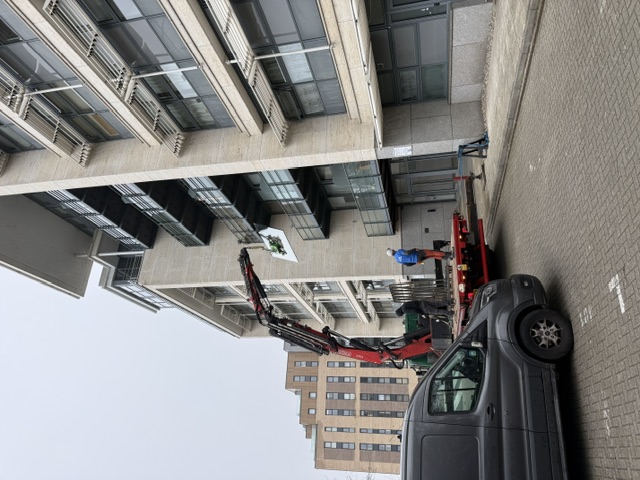
Commercial glazing in Nunhead Cemetery has to do three jobs at once: bring energy costs down, satisfy Approved Document L, and still give you a slim, secure shopfront or office façade that fits the streets around the high street and Peckham Rye Nunhead. The tools are well established: high-performance sealed units, low-E coatings, acoustic laminated glass and thermally broken frames in aluminium or steel, which between them keep heat loss, glare and road noise in check and satisfy what local planners expect. Below we set out the main systems, the specifications that matter, and how each can be adapted to your building and sector.
Key insights
- We supply and fit curtain walling, shopfronts, rooflights and glazed internal partitions for commercial premises across Nunhead Cemetery.
- Low-E double and triple glazing cuts heating and cooling costs and supports Part L and corporate sustainability targets.
- Laminated or toughened security glass, PAS 24 framing and impact-rated systems protect higher-risk ground-floor locations.
- Acoustic glazing takes the edge off traffic and town-centre noise in offices, hotels and mixed-use buildings.
- Slimline thermally broken frames let modern glass sit comfortably in heritage façades and satisfy conservation requirements.
How Commercial Glazing Transforms Nunhead Cemetery Businesses
New commercial glazing on a Nunhead Cemetery building changes more than its windows; it changes how the building performs, how it looks from the street and, for retail, how it earns. Modern high-performance glass reduces heat loss through big frontages, steadies internal temperatures and trims the load on heating and cooling plant, which counts in a damp, changeable local climate.
At street level, clear low-iron units make the most of daylight and let merchandise show its true colours, which tends to lift dwell time and sales. Where the building is listed or sits in a conservation area, the original façade can stay while slimline thermally broken systems are fitted behind it, keeping the character and still meeting Part L.
Fritted, back-painted or digitally printed glass folds branding, privacy and solar shading into one engineered surface rather than three separate add-ons.
Main Commercial Glazing Systems for Nunhead Cemetery Buildings
Before appointing a glazing contractor in Nunhead Cemetery, it helps to know the four main system types: curtain walling on multi-storey buildings, shopfront framing at ground level for retail, unitised panels for fast-track town-centre builds, and structural or bolted glazing where lobbies and atria need the thinnest possible sightlines.
Curtain walling is a balancing act between appearance, U-values and wind load, especially on exposed plots such as Brockley Nunhead or beside the main roads out of town. Shopfront systems need strong security, narrow mullions and tidy coordination with shutters and signage. Unitised façades suit tight central plots because they cut scaffold time and programme risk. Structural glazing allows oversized panels, low-iron glass and near-invisible fixings for a transparent, contemporary frontage.
Which Commercial Glazing Is Right for Your Business?
Choosing the right approach for your Nunhead Cemetery premises starts with matching performance to what the building actually does. A taller office near Peckham Rye Nunhead needs to put wind loading first, then glass durability and low-E coatings against solar gain on big south-facing elevations. A studio or tech workspace might care more about acoustic control against rail and nightlife noise.
Frame appearance and thermal performance should be considered together. Slimline thermally broken aluminium suits contemporary town-centre refurbishments; steel systems sit well against heritage brick frontages in Peckham Rye Nunhead and still achieve modern U-values.
Lastly, think about maintenance and replacement. Systems whose sealed units and hardware can be swapped easily keep future upgrades from interrupting trading.
Shopfront Glazing on Nunhead Cemetery’s Retail Streets
Glazing a shop on the busiest streets in Nunhead Cemetery, around the high street, Grand Central and the main road corridors, needs a different specification from offices or studios. It faces heavy footfall, late trading, aggressive cleaning and strict planning control, often linked to conservation around Peckham Rye Nunhead and the town centre.
A typical build-up is 11.5 to 13.5 mm laminated safety glass with anti-bandit interlayers, a low-iron outer pane for accurate colour in displays, and warm-edge spacers to limit condensation at the edges. Higher-risk pitches may justify P6B impact-rated glass and a concealed steel goalpost frame.
To keep the frontage distinctive, LED-lit reveals, switchable privacy panels and printed interlayers can pick up the lines of the surrounding stonework without falling foul of conservation rules.
Office Glazing for Modern Nunhead Cemetery Workspaces
Office glazing in Nunhead Cemetery districts such as Peckham Rye Nunhead and Linden Grove is a trade-off between as much natural light as possible and tight performance targets. Current systems allow glass with high visible light transmittance, a low-E coating and warm-edge spacers, so daylight improves while U-values stay low for year-round comfort. Acoustic laminates and sealed units matched to the traffic and tram noise outside keep open-plan floors quiet enough to work in.
Enhancing Natural Light Flow
Daylight is what separates a Nunhead Cemetery office people want to work in from one they tolerate. With dense streets, mixed-use blocks and unpredictable skies, the glazing has to capture light efficiently and keep glare under control.
That means larger glazed areas on the southern elevation, tempered with brise-soleil or ceramic fritting to manage solar gain. Full-height internal glazing carries light deep into the floorplate and supports planting and biophilic layouts. Low-iron glass in atria and along corridors keeps those spaces bright and visually connected. Openable glazed sections paired with a natural ventilation strategy can take advantage of the westerly winds that prevail over Nunhead Cemetery to draw fresh air through the building without losing daylight quality.
Acoustic and Thermal Comfort
Good daylight counts for little if the glazing lets in noise, draughts or summer heat. A Nunhead Cemetery office needs a façade that holds a stable indoor climate and keeps out the traffic, tram and construction noise familiar around Peckham Rye Nunhead and Nunhead Cemetery.
The practical measures are:
- Laminated acoustic units with different pane thicknesses on each side to improve insulation against low-frequency urban noise.
- Warm-edge spacers, argon or krypton fill and low-E coatings selected for each elevation’s orientation.
- Trickle vents with acoustic baffles so ventilation rates are maintained without losing decibels.
- Dynamic glazing or external shading combined with high-performance units to cut solar gain, ease the HVAC load and keep temperatures steady in the dense core of Nunhead Cemetery.
Glazing for Industrial and Warehouse Units
Industrial and warehouse units in Nunhead Cemetery need glazing that stands up to high wind loads, rough use and swings in internal temperature while still meeting security and energy targets. Durability leads the specification: toughened or laminated panes with impact resistance chosen for loading bays, forklift routes and racking lines.
Double or triple units with a low-E coating and warm-edge spacers keep temperatures more even across a large floorplate and reduce the HVAC load. Aligning the mullion grid with the steel portal frame simplifies façade coordination, and opening lights are only added where purge ventilation needs them. On customer-facing elevations, slimline thermally broken aluminium can be matched to branded cladding so the building still presents well.
Glazing for Hospitality and Leisure Venues
Hospitality and leisure venues in Nunhead Cemetery ask more of their glazing than an industrial shed, both technically and in terms of experience. First impressions in Linden Grove, Peckham Rye Nunhead and Nunhead Cemetery depend on it, so appearance, acoustic performance and safety have to line up with the brand and with licensing conditions.
The usual package is:
- Façade systems: long-span curtain walling, narrow mullions, silicone-bonded joints and low-iron glass for a sharp street presence.
- Entrances: toughened or laminated doors with controlled closers, low thresholds and built-in access control.
- Internal partitions: laminated acoustic glass, dry-jointed screens and switchable privacy glass for bar, spa or gym layouts that change over time.
- Rooflights and screens: overhead glazing using walk-on units with anti-slip finishes, solar-control interlayers and properly detailed drainage.
Energy-Efficient Commercial Glazing in Nunhead Cemetery
Energy-efficient commercial glazing for a Nunhead Cemetery premises delivers measurable gains in U-value, solar control and acoustic comfort that occupiers notice. A low-E coating, warm-edge spacer and argon fill, combined with a sensibly chosen solar heat gain coefficient, reduce heating and cooling loads in both new-build and refurbished stock. The same specification helps meet local sustainability policy and planning expectations, including Part L compliance and the net-zero targets the council has adopted.
Benefits Of Energy-Efficient Glazing
Commercial glazing is often treated as a design decision, but specifying energy-efficient glass for Nunhead Cemetery premises is a performance upgrade that lowers running costs and steadies internal comfort. Low-emissivity units, selective tints and high-performance decorative glass together turn the façade into an engineered buffer against the local climate.
The benefits are concrete:
- Lower conductive losses through large curtain wall areas thanks to low U-value units.
- Better glare control for screen-based work in Grade A offices and tech space.
- Improved sound reduction against ring-road traffic and town-centre nightlife.
- Stronger ESG credentials that support BREEAM and NABERS UK scores and signal a forward-looking brand to tenants and investors.
Reducing Heating And Cooling Costs
With energy prices still volatile, energy-efficient commercial glazing in Nunhead Cemetery is a direct way to reduce heating and cooling demand rather than a cosmetic upgrade. Low-E coatings chosen for the temperate, often overcast local climate limit winter heat loss while still controlling solar gain on the few bright, hot days.
Argon-filled double or triple units on warm-edge spacers bring the U-value down, stabilise internal temperatures and can allow smaller HVAC plant or re-zoning of existing systems. Heat-treated or laminated glass in robust framing keeps performance from being eroded by pollution or façade movement. Neutral coatings and light tints mean the façade still looks open and transparent while the glazing quietly delivers the savings.
Meeting Nunhead Cemetery Sustainability Standards
Lowering heating and cooling demand is half the task; the glazing must also meet the tightening sustainability policy in Nunhead Cemetery and the wider planning context. Targets on operational carbon, daylighting and embodied carbon have to be met while respecting the local streetscape and historic buildings.
To line up a glazing strategy with those standards:
- Specify low-g, low-E sealed units on warm-edge spacers with an argon or krypton fill to satisfy Part L and local guidance.
- Use dynamic glazing or external shading on south- and west-facing elevations to manage solar gain.
- Pair high-performance glass with façades that can carry PV, sensors and building management analytics.
- Treat large display fronts and feature glazing as thermal elements, detailing frames and junctions to avoid cold bridging.
Security and Safety Standards for Commercial Glazing
From a new office block in central Nunhead Cemetery to a refreshed retail frontage in Ivydale Road, security and safety standards for commercial glazing are fundamental to compliance and risk management. The installation should follow BS 6262 for glazing practice, BS EN 356 for attack resistance and BS EN 1279 for sealed units, and satisfy Building Regulations Part K on safety and Part Q on security where the use class requires it.
In the higher-risk zones, meaning ground floors, entrances and side alleys, the norm is laminated or toughened safety glass, securely beaded or structurally bonded, in frames and ironmongery compatible with PAS 24. Low-iron, ceramic-fritted or digitally printed laminates keep the look sharp while providing impact resistance, anti-shatter behaviour and predictable failure modes that insurers and duty-of-care obligations expect.
Acoustic Glazing to Tackle Nunhead Cemetery City Noise
Security glass is only part of the picture in Nunhead Cemetery’s built-up setting; the noise from motorways, inner ring roads, railway lines and late-night bars has to be managed too. Meaningful noise reduction depends on acoustic glazing engineered around the frequencies involved, not simply thicker glass.
Working from measured dB profiles in Peckham Rye Nunhead, Nunhead Cemetery or Ivydale Road, the glazing can be tuned by:
- Varying pane thickness to break resonance at the dominant traffic and rail frequencies.
- Choosing laminated interlayers that damp the mid and high frequencies from bars and venues.
- Sizing asymmetric cavities to disrupt the low rumble of HGVs and buses.
- Detailing seals carefully so sound cannot flank through mullions and junctions.
The result is a quieter, more productive Nunhead Cemetery workspace.
Choosing Frame Materials and Glass Specifications
Frame choice for Nunhead Cemetery projects balances structural capacity, upkeep and thermal efficiency across thermally broken aluminium, steel and commercial-grade uPVC. The glass specification, from low-E coatings and solar-control tints to laminated or toughened panes and argon fills, then has to suit local weather, town-centre pollution and orientation. Treating frame and glass as one system is what gets the U-values, g-values and acoustic figures right while still meeting Part L and planning requirements.
Comparing Frame Material Options
Glass tends to get the attention, but the frame material in Nunhead Cemetery’s commercial glazing has just as much bearing on thermal efficiency, structural strength and upkeep over the years. The choice has to reconcile heritage constraints, contemporary design, local wind exposure and Part L.
- Thermally broken aluminium: the default for curtain walling along Peckham Rye Nunhead, with slim sightlines, durable powder coating and low U-values for taller schemes.
- Steel systems: well suited to warehouse conversions in Ivydale Road, offering long spans, narrow profiles and fire-rated options.
- Engineered or aluminium-clad timber: a good fit for conservation areas, warm in appearance and low in embodied carbon, but needing a disciplined maintenance plan.
- Commercial-grade uPVC: structurally limited, yet economical for smaller punched openings, rear elevations and low-rise retail refurbishments.
Optimising Glass Performance
Glass specification in Nunhead Cemetery only delivers its full value once it is matched to the right frame, because the frame sets the edge condition, the thermal bridges and the movement tolerance that decide durability and energy performance. Coatings, solar-control interlayers and cavity depth should be chosen alongside thermally broken aluminium, steel or composite frames rated for local wind and driving rain.
In the mixed local climate, high-performance sealed units, warm-edge spacers, pressure-equalised frames and airtight gaskets work best together. That combination keeps the sightlines slim, the reflections clean and the colour consistent, and it prevents fogging at the edges, frame distortion and failed seals. Thickness, lamination and acoustic interlayers can then be tuned elevation by elevation.
Planning Permission and Glazing Regulations in Nunhead Cemetery
Commercial glazing affects safety, energy performance and the look of the street, so planning permission and glazing regulations in Nunhead Cemetery belong at the start of the design process rather than the end. Façade ideas need to be checked against local planning policy, Building Regulations approval and the council’s design guidance, particularly in conservation areas and on prominent corridors such as the business district.
A structured approach keeps approvals moving:
- Identify frontage lines, active-frontage expectations and any use-class constraints early.
- Coordinate U-values, g-values and sightlines with the Part L and Part B compliance reports.
- Support the application with daylight and visual-comfort studies showing glare, privacy and reflection effects on neighbours.
- Hold a pre-application meeting with planning officers, bringing 3D façade visuals and material samples to head off objections.
Maintenance, Repairs and Future-Proofing Commercial Glazing
A well-designed façade in Nunhead Cemetery only keeps performing if maintenance, repair and upgrade routes are built in from the outset. That begins with sound installation details: cavities that drain and ventilate, sealants that are compatible with each other, and pressure-equalised curtain walling that copes with driving rain and pollution.
A maintenance regime based on the manufacturer’s data should include regular checks on gaskets, mullion fixings and edge seals, and scheduled recommissioning of automated vents and smart glass controls. Sealing details that allow a single joint to be renewed without stripping a whole bay save a great deal of disruption later.
Future-proofing means designing for interchangeable glass units, allowance for thicker panes, and later PV or electrochromic upgrades. Sensor-ready frames make it simple to add façade monitoring as the building strategy develops.
Find out more about our Nunhead Cemetery glaziers, or see the full commercial glazing service for Nunhead.
Frequently Asked Questions
How Do Commercial Glazing Costs Compare to Traditional Brick-And-Mortar Facades in Nunhead Cemetery?
Glazed façades usually cost more at the outset than masonry, but the comparison changes over the life of the building. High-specification units resist impact and weathering, which matters in Nunhead Cemetery’s wet, variable climate, and modern coatings reduce HVAC loads in dense areas like Peckham Rye Nunhead. Glazing also lightens the structure, cutting steel requirements, and goes up faster than brickwork, which shortens the programme. Over a 20 to 30 year horizon the total cost often matches or undercuts a traditional façade once energy and maintenance are included.
Can Commercial Glazing Designs Incorporate Local Nunhead Cemetery Architectural Heritage or Listed Features?
Yes, and some of the best local schemes do exactly that. Mullion lines can follow the rhythm of Victorian bays, terracotta proportions can be echoed in panel sizes, and ceramic-fritted glass can pick up the tone of local stone. Working with the conservation officer from the start, we detail slim thermally broken frames and low-iron laminated glass that protects stained glass, carved stonework and listed cornices while still delivering good daylight and low-carbon performance. Early agreement on samples and sightlines avoids costly redesign later.
What Financing or Leasing Options Exist for Large Glazing Projects in Nunhead Cemetery?
Larger glazing projects can be funded through asset-backed lending, green infrastructure funds or an energy performance contract that ties repayments to the savings from lower heating and cooling loads. Leasing routes include an operating lease on the façade system, off-balance-sheet structures and subscription-style packages. In Nunhead Cemetery, terms are often aligned with business rates, low-carbon initiatives from the Combined Authority and phased refurbishment cycles, with payments staged around tenancy milestones, Section 106 triggers and each installation package.
How Long Does a Typical Commercial Glazing Installation Disrupt Day-To-Day Business Operations?
Expect disruption of around one to five days depending on scale and complexity. A well-planned installation is phased elevation by elevation, uses out-of-hours shifts where needed and sequences removal and fitting so the main access routes stay open. In Nunhead Cemetery’s busier commercial areas we coordinate deliveries, traffic management and noise limits with you in advance, so trading continues while the façade is replaced. Temporary hoardings and dust screens keep customers and staff separated from the works.
Are There Nunhead Cemetery-Based Grants or Incentives Specifically for Upgrading to Commercial Glazing?
There are local grants, but none are glazing-specific; they are tied to energy efficiency and carbon reduction. National support such as Enhanced Capital Allowances and energy efficiency schemes can be combined with funding from the council, the Combined Authority or the regional Growth Hub. Applications are stronger when the glazing upgrade is presented alongside EPC improvement, heat-loss modelling and a decarbonisation plan, which also helps when stacking more than one source of support.
Summary
The right commercial glazing in Nunhead Cemetery does more than replace glass; it improves thermal performance, noise control, security and kerb appeal in one move. From high-street shopfronts to Peckham Rye Nunhead offices, a tailored system with correct U-values and compliant safety glass keeps your building efficient and regulation-ready. Talk to a specialist who knows local planning guidance and busy urban conditions. Call us for a free site survey and quotation.